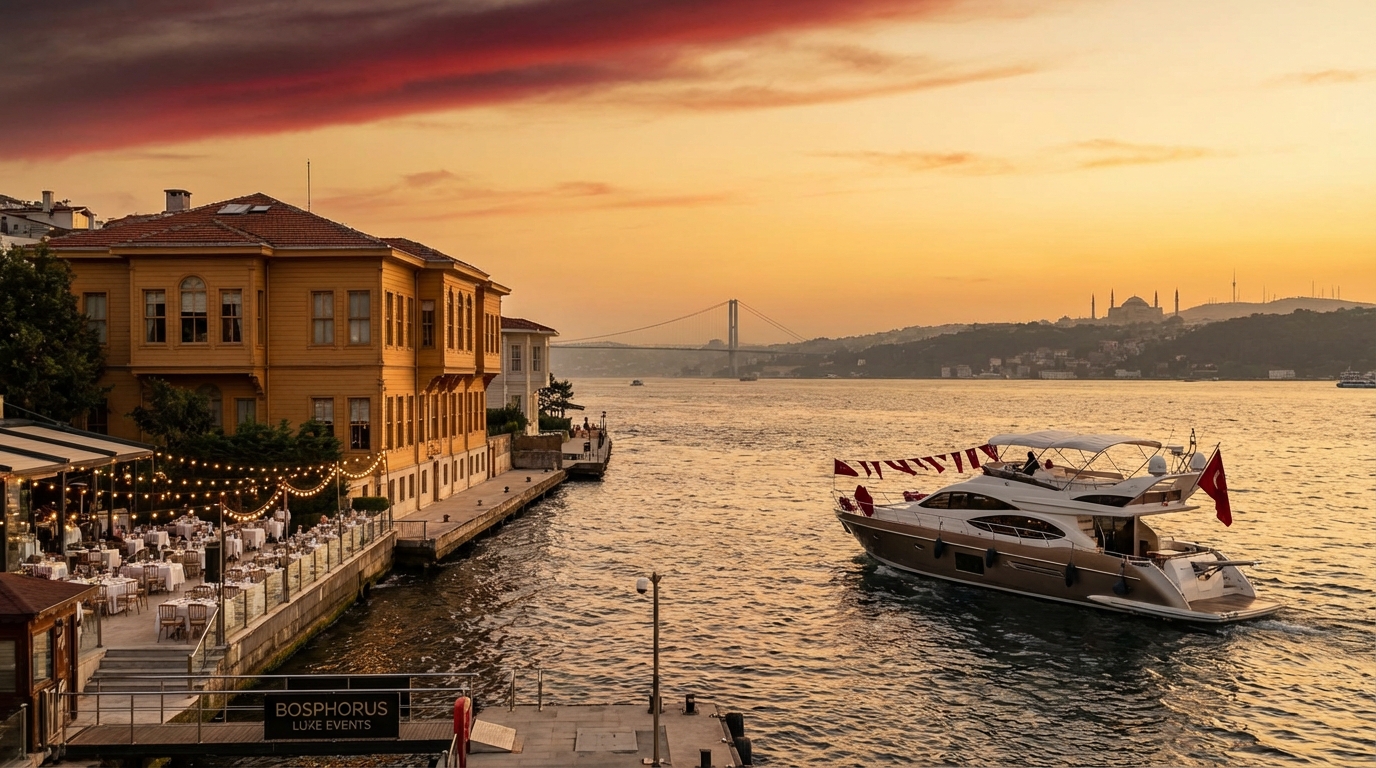
Seasonal Guide: Best Times of Year to Organize an Event in Turkey
Every season in Turkey has its own personality. Instead of asking “when is the best time?”, it is more useful to ask: “what kind of experience do we want guests to have?” Once you know that, the calendar starts to make a lot more sense.
Spring (April–June): fresh, flexible, in high demand
Spring is when Turkey really opens up. Cities feel alive again, outdoor terraces come back to life and the light is kind to both speakers and photographers. Temperatures are usually comfortable enough for daytime content and early‑evening receptions outside, especially in Istanbul and along the Aegean.
This is a great window for:
- Corporate meetings and conferences that want some open‑air elements without heat stress.
- Destination weddings, incentives and product launches that rely on views and natural backdrops.
- Programs that mix city time with short getaways to places like Cappadocia or the coast.
The only catch: you are not the only one who loves spring. Demand is strong, especially around public holidays and major fairs. If you are aiming for April, May or early June, plan to lock in venues and room blocks a bit earlier than you might in other seasons.
Summer (July–September): coastal energy and long evenings
Summer in Turkey is all about the coastline. Istanbul can get hot and busy, but seaside destinations like Bodrum, Çeşme and parts of the Mediterranean come into their own. Long evenings, warm nights and a holiday atmosphere make it easier to create events that feel like experiences rather than obligations.
Summer works best when you design with the climate, not against it:
- Schedule heavier content for mornings and early evenings; keep midday for lighter sessions or free time.
- Use shade, breeze, misters and water stations as part of your layout, not afterthoughts.
- Lean into outdoor dinners, waterfront receptions and boat activities where the weather becomes part of the show.
Resort inventory in July and August is competitive, especially in school holiday periods. If you have fixed dates, securing the right properties early will give you more options and better rates.
Autumn (September–November): the sweet spot for many events
For a lot of planners, autumn is the quiet favourite. The sea is still warm from summer, the air is softer, and crowds begin to thin. In cities like Istanbul, the pace feels calmer but still very alive; on the coast, you keep much of the summer atmosphere without peak‑season pressure.
This season is ideal for:
- Corporate gatherings that need reliable weather but do not want to fight high‑season tourism.
- Conferences where people will spend real time outside session rooms, networking on terraces or in courtyards.
- Events that mix work and leisure — leadership offsites, client trips, incentive programs.
Even in November, you can often still host comfortable daytime activities outdoors in many regions, with cooler evenings creating a cozy feel for indoor dinners and receptions.
Winter (December–March): atmospheric, good value, very underrated
Winter in Turkey does not scream “beach event,” but it quietly delivers some of the most elegant city programs of the year. Istanbul’s hotels, historic venues and restaurants feel especially atmospheric in the colder months, and guests tend to stay closer to the content instead of disappearing to the pool or the beach.
What winter gives you:
- Stronger value on venues and room rates compared to peak leisure seasons.
- Indoor spaces that naturally feel intimate and sophisticated — perfect for galas, awards nights and strategic meetings.
- Plenty of ways to add warmth: candlelight, live jazz or acoustic sets, comfort‑forward menus and hot drinks.
In some regions you can even combine city time with winter sports or snow landscapes, which can be a refreshing change for teams used to classic “sun and sand” incentives.
Always check local calendars
Whatever season you choose, one rule stays the same: always look at the local calendar. Public holidays, school breaks, major trade fairs and big festivals can quickly affect availability, traffic and pricing. A date that looks empty on your side may be very busy on the ground.
This is where a good local partner or planner makes a big difference. A five‑minute check against local patterns can save you from surprises and help you find that perfect window where the season, the city and your program are all working in your favour.